

Managing time pressure during events
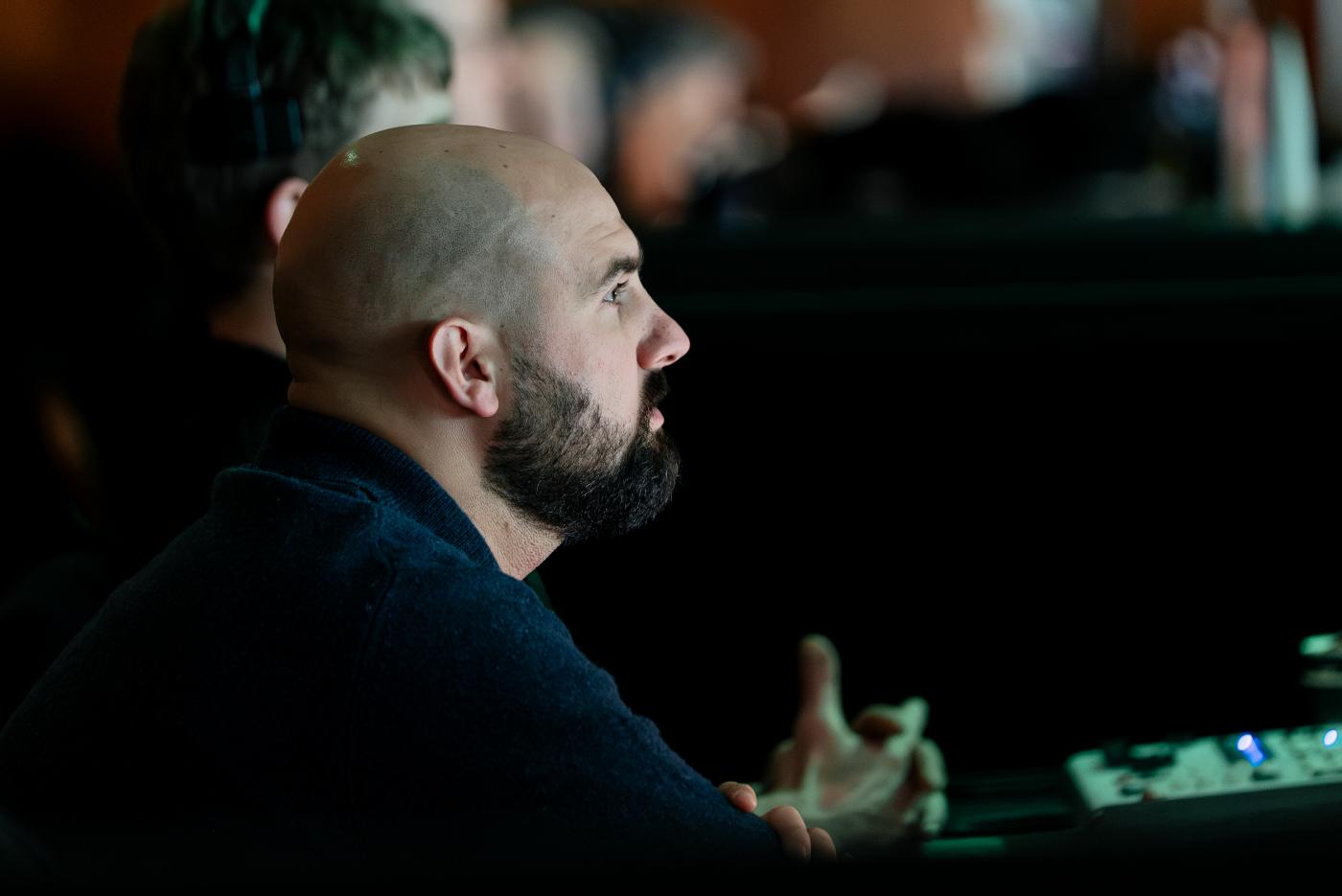
Beyond the technical skills that make or break an event build, there’s another skillset that determines exactly how a production team is going to perform.
The ability to handle – and more importantly mitigate – pressure.
In live event production, pressure comes in many forms, and all feeds into what feels like a battle against time itself. Delayed access times, last minute changes, and tight venue turnarounds: it all adds up as the clock ticks away.
The problem is that once pressure starts, it rarely stays contained…
It spreads.
A production team that arrives stressed and rushed will quickly pass those feelings onto the venue crew, AV technicians, and event staff around them. Suddenly, multiple teams are moving faster but thinking less clearly about each action; communication shortens and their decisions become reactive…
This is how professional events begin to unravel.
And truthfully, this isn’t because the teams lack experience – unfortunately, pressure simply changes behaviour. When pushed to perform, clear thinking gets replaced with urgency and people stop thinking ahead.
In event production and delivery, pressure causing a behaviour shift can be the difference between a seamless show and a complete breakdown in coordination.
Event time management – is less sometimes more?
At CPG, we know pressure is sometimes inevitable – but when it’s carefully managed, it protects the crew and the delivered outcome. Within our event planning and execution, we believe one of the most valuable qualities is the ability to remain steady even when the environment around us isn’t.
Just like pressure, remaining calm echoes through an entire team.
When production leads stay composed, communicates clearly, and works methodically – the wider crew follows. It’s once a team is settled that any problem feels solvable again. So even if the pressure still exists, the event moves forwards with structure instead of panic.
Despite what some may think, the solution here is not more complexity. A hyper-detailed scheduled filled with hundreds of tick boxes might feel organised, but realistically keeping to such a strict regime rarely benefits anyone.
Instead, we find key anchors to be the most beneficial. These are critical operational moments that need to happen, and once they do, the rest of the event falls into place.
This could mean anything: rigging completed at a certain hour, confirming the show caller is on site by a certain time, or locking in a rehearsal start time.
What these key anchors do is create a loose but essential structure – and with structure, pressure can be effectively managed.
In our experience of delivering in-person, virtual, and hybrid events, teams perform better when they understand priorities. When delivery milestones are made clear, everything else becomes much easier – which leads to calmer decisions, clearer communication, and problems are solved before they have the chance to escalate.
This change is also beneficial for your clients because they feel reassured instead of overwhelmed. They get to witness a team making measured decisions rather than reacting emotionally to challenges. When the moment comes, this produces on-site delivery that feels calm and controlled from start to finish.
Often, this is the biggest difference between average event delivery and event direction that makes a real impact. The companies that perform are not always the ones who shout the loudest, but those who are calm, and able to take a measured approach even when pressure starts to build.
Successful event management is about mindset.
Successfully delivering an event doesn’t mean there won’t be pressure; as expectations go, it’s highly unrealistic. Where the skills show is stopping that pressure from spreading.
For the team at CPG, that’s displayed through everything we do – from event concept and planning, through to event production, onsite delivery, and final show execution.
Being faster and frantic rarely produces results.
For us, it’s all about being calm and coordinated so every part of the event performs at its best. That way, when the audience starts filling seats, the hard work is already done.
No worries; no stress – just events that feel uneventful.
Evan Costello, Founder of CPG