

5 Things that an event production company should cover.
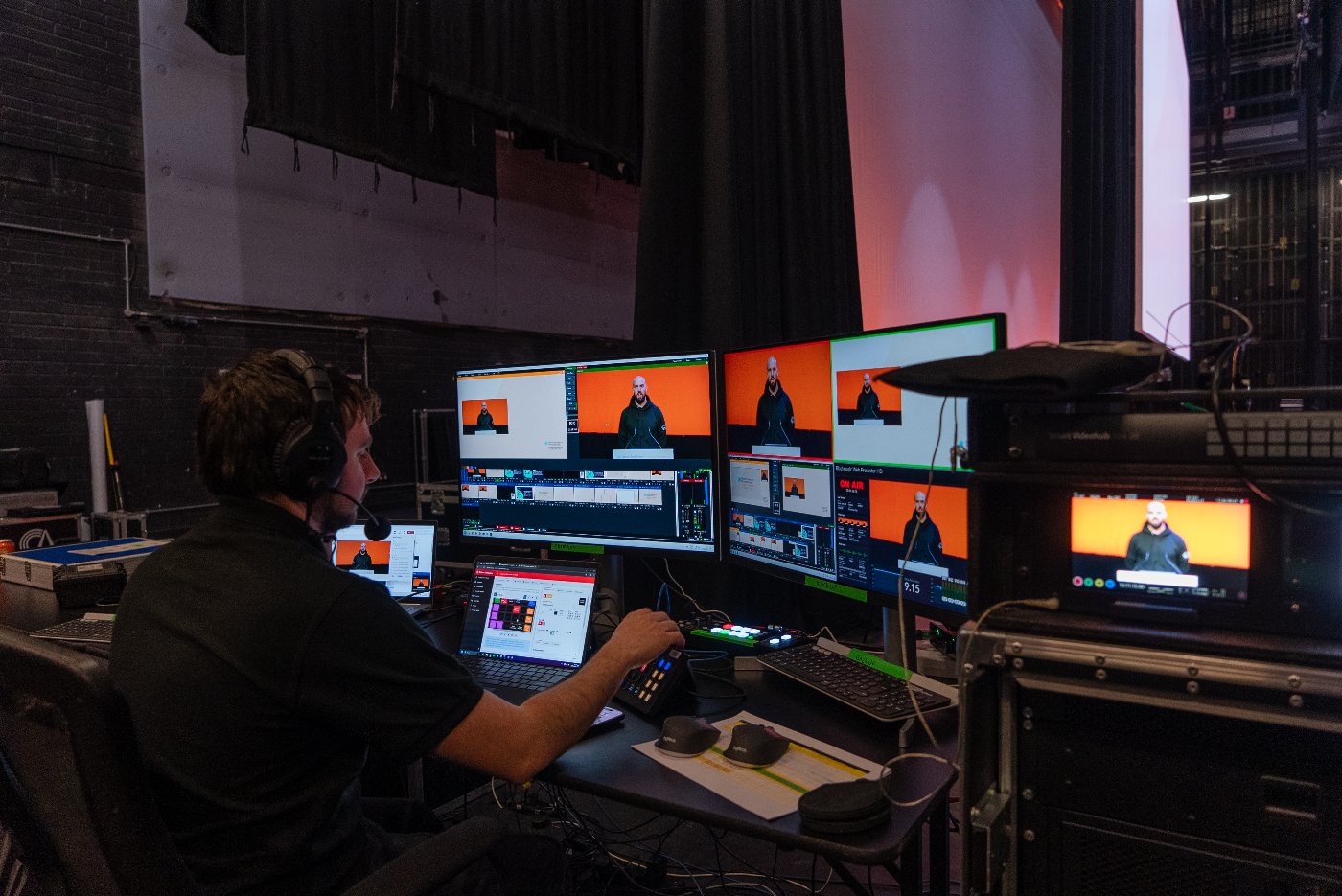
Sometimes, the biggest question is “how do I plan a successful event?”
Through our own evolution as a business, we stopped being a supplier and became a partner. We got there by getting it wrong first.
We used to think equipment lists and tech specs were what our clients needed. They do need the equipment. But what they actually needed was our planning, our judgement, and the honesty to tell them what we’d change before it became a problem.
Leading with the kit is an easy habit to fall into. Equipment is tangible and a plan isn’t, so the conversation starts with screens and speakers before anyone’s said what the event is actually for. It’s a bit like hiring a builder for the tools in his van. You haven’t talked about what you want to build, but they’re already listing every drill they own.
You need evidence about how a company thinks, plans, and behaves.
Here are five things a good partner should cover. Ideally, they’ll bring most of them up before you do. If they don’t, ask. How they answer tells you plenty.
“What does success look like for this event?”
A good partner will have asked you this before you get the chance to ask them. It’s the first conversation to have: they find out what you’re after (your message landing, the room feeling right), and only then do they choose the kit. If their answer doesn’t match yours, they haven’t asked enough questions yet.
“Can you explain that to me like I’ve never heard of it?”
Ask this the moment the jargon takes over. You’re not an event production specialist, so why should you have to keep up? A good partner will happily put it in plain English, and the best ones won’t wait to be asked. One who doubles down on the technical language has already shown you how they mean to go on.
“How do you vet the freelancers you’ll be working with?”
Most event crews include freelancers, so this matters more than it sounds. A good answer is specific: people they’ve worked with for years, or technicians recommended by someone they trust. A bad answer is “whoever’s free that day”, which means the person running your sound could be meeting the rest of the crew on the morning of your event, and no one knows if they’re aligned with the rest of the team.
“What would you change or push back on in my plan?”
A good partner will often raise this themselves. If they don’t, you need to ask. A partner who says “looks great” to everything isn’t checking your plan, they’re just agreeing with it. A good one will tell you what they’d move, cut or rethink, and why. Fair, honest pushback shows trust, expertise, and real attention to detail.
“What happens if something fails?”
At CPG, we talk a lot about creating events that are uneventful for our clients: effortless experiences, built on calm, measured delivery. That’s our baseline for quality. The reality, though, is that sometimes things go wrong. No one can prevent every mistake, but a true expert knows how to deal with them. In practice, that means a sensible level of backup on the things that matter. A good partner should be able to tell you what that looks like, and what happens next, so one failure doesn’t take the whole room down with it. “We’ll sort it” is the answer to worry about.
If a prospective partner can cover all the above without stumbling, they’ve learned that delivering in-person, hybrid or virtual events comes down to being thoughtful and transparent with clients. They’re probably ready to deliver something calm and structured, where you’re never wondering what’s next.
There’s also a sixth question, though it’s one for your venue rather than your production partner, and it matters early. Before you start briefing, ask whether bringing in your own event production company will cost extra. Plenty of venues make a big chunk of their income from events, and there can be a premium for not using their in-house team. Ask early and build it into your budget from day one, so nobody’s surprised.
Getting event production right
For CPG, a successful event starts with asking the right questions early and staying with you until the final load-out. They’re the same things we ask ourselves with every client, so you shouldn’t have to ask them at all.
By finding out what an event is for and working alongside you from start to finish, we deliver live, hybrid and in-person events that run the way they should.
If you’d like to know how we’d approach your event, get in touch.